The history of Mt Carmel Baptist Church is a compelling saga of faith and resilience, rooted deeply in the heart of the community since its inception in 1903. Established by Reverend John Smith and a group of committed believers, this church quickly transformed from humble beginnings—meeting in a schoolhouse—into a robust institution dedicated to worship and community service. Over the decades, Mt Carmel Baptist Church has not only provided spiritual guidance but has also stood as a beacon of hope during challenging times, especially through the transformative years of the Civil Rights Movement. The church’s unwavering commitment to social justice and community support has forged deep connections with its members and the broader community. Today, the rich history of Mt Carmel Baptist Church continues to inspire new generations, ensuring that its legacy of faith and unity remains vibrant and relevant.
Understanding the historical journey of Mt Carmel Baptist Church offers insights into the broader narrative of faith communities in America. This significant church, which began as a small gathering of disciples, has evolved into a cornerstone of spiritual life and community activism. Throughout its existence, it has faced various social challenges while promoting justice and equality for its congregants and neighbors alike. The legacy of Mt Carmel Baptist Church is interwoven with the stories of its pastors and community members who have courageously navigated and influenced societal change. As we delve into the foundational events and milestones that define this institution, we uncover how it has nurtured generations of believers and impacted the local landscape.
The Founding Years of Mt. Carmel Baptist Church
The founding years of Mt. Carmel Baptist Church are steeped in a spirit of determination and community. Established in 1903 under the leadership of Reverend John Smith, this church emerged as a sanctuary for individuals seeking solace and spiritual growth during a time of great change. The congregation’s initial meetings in a small schoolhouse laid the foundation for a robust community that prioritized faith and fellowship. Their commitment to creating an inclusive environment allowed many families to find a sense of belonging, integrating their lives with faith-driven values.
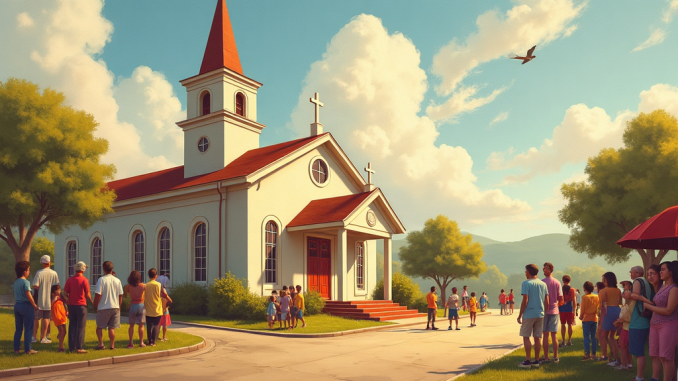
The establishment of a dedicated church building in 1910 marked a significant milestone, symbolizing the resilience and collective vision of the early congregation. Overcoming numerous challenges, including social pressures and limited finances, they transformed their dedication to worship into a lasting legacy. This building did not just serve as a venue for services; it became a beacon of hope for the local community, illustrating the profound impact of Mt. Carmel Baptist Church’s founding years on the lives of its members.
Resilience and Expansion Through Adversity
The journey of Mt. Carmel Baptist Church through adversity has highlighted its commitment to resilience and growth. As community dynamics evolved, so too did the church’s mission. The 1950s and 1960s were critical periods marked by rapid expansion, even as the congregation faced the turbulence of the Civil Rights Movement. During those times, Mt. Carmel cemented its status as a center for advocacy, where members gathered to address social justice issues, collectively moving toward equality and inclusion.
In rising to the occasion, Mt. Carmel not only provided spiritual nourishment but also stood as a pillar of strength for the community. The successful hosting of meetings and events during this era demonstrated the church’s alignment with crucial social movements, fostering a legacy that extends beyond the pews. By addressing inequalities, the church not only grew in numbers but also gained a respected voice in the broader societal dialogue.
The Heart of Worship and Ministry at Mt. Carmel
At the heart of Mt. Carmel Baptist Church lies an invigorating worship experience that has continued to draw individuals from all walks of life. Structured around powerful sermons, uplifting music, and heartfelt prayers, the church thrives on the strong communal spirit that worship fosters. The music ministry, particularly the choir, serves as a cornerstone of this experience, providing timeless melodies that inspire congregational unity and spiritual upliftment.
Dedicated ministries designed for various demographics embody Mt. Carmel’s mission to serve its community effectively. Programs tailored to children and youth nurture the next generation, embedding faith and leadership qualities early on. Outreach initiatives, including health fairs and food drives, highlight the church’s commitment not only to its members but also to the populace at large, thus nurturing an inclusive environment reflecting the church’s deep-rooted values.
Modern Connections: Embracing Technology
As society evolved, Mt. Carmel Baptist Church recognized the significance of integrating technology to remain connected with both current and prospective members. In the 21st century, particularly during unprecedented circumstances like the COVID-19 pandemic, the church leaned into virtual platforms to maintain its ministry. Through social media and online services, Mt. Carmel successfully bridged the physical gap and provided members with a continued sense of togetherness and support.
This embrace of technology has not only aided in sustaining worship but also in fostering additional engagement with younger congregants. By adopting modern communication strategies, the church has effectively reached out to a broader audience, demonstrating adaptability while ensuring that its core message of faith remains potent and relevant across generations.
Celebrating Leadership: Influential Pastors of Mt. Carmel
The legacy of Mt. Carmel Baptist Church is deeply intertwined with the remarkable leaders who have guided its congregation through the years. Each pastor, from Reverend John Smith to Reverend James Williams, has contributed uniquely to the church’s mission, demonstrating dynamic leadership and a heartfelt commitment to uplifting the community. Reverend Williams, in particular, left an enduring mark during his over 30 years of service, advocating for community inclusion and expanding the church’s outreach.
These spiritual leaders fostered an environment of respect and compassion, encouraging congregants to actively participate in both internal programs and community engagement. Their teachings not only provided spiritual guidance but also encouraged personal growth among the church members, ensuring that the principles of faith remain a driving force in their lives.
Future Directions: Cultivating a Legacy of Service
As Mt. Carmel Baptist Church proudly reflects on its storied past, it also aims to honor this legacy with forward-thinking plans designed to enhance community impact. With initiatives geared toward expanding outreach programs and enriching educational offerings, Mt. Carmel is committed to addressing contemporary challenges while reinforcing intergenerational bonds within and beyond the congregation. These efforts aim to ensure that the church remains relevant in addressing the needs of both the current generation and those to come.
Moreover, community discussions initiated by the church aim to delve deeper into important societal issues, reinforcing its role as a leader in advocacy and support. By fostering open dialogue, Mt. Carmel not only navigates the complexities of modern life but also instills hope and encouragement in the hearts of its members, ensuring the legacy of faith continues to thrive.
What is the history of Mt Carmel Baptist Church and its founding?
Mt Carmel Baptist Church was founded in 1903 by Reverend John Smith, who aimed to create a welcoming place for community worship. Initially, the congregation met in a schoolhouse before establishing a dedicated church building in 1910, reflecting their commitment to faith and community service.
How did Mt Carmel Baptist Church contribute to the Civil Rights Movement?
During the 1950s and 60s, Mt Carmel Baptist Church became a hub for civil rights activities, advocating for social justice and equality. The church hosted numerous events and meetings to elevate the voices of the marginalized, solidifying its role as a community pillar of hope and courage.
What types of ministries does Mt Carmel Baptist Church offer?
Mt Carmel Baptist Church offers a broad range of ministries, including children’s programs, youth workshops, and outreach initiatives like food drives and health fairs. These programs aim to empower individuals and serve not only church members but the broader community as well.
How has Mt Carmel Baptist Church embraced technology in its ministries?
In the 21st century, Mt Carmel Baptist Church adapted to changing times by incorporating technology into its ministries. This includes online services and social media engagement, which became especially vital during the COVID-19 pandemic, helping maintain community relationships.
Mt Carmel Baptist Church history is a rich narrative filled with faith, resilience, and transformative community engagement. Established in 1903, this church has woven itself into the fabric of its community, serving as a sanctuary for spiritual growth and social justice. From its humble beginnings to becoming a hub of activity during pivotal historical moments, Mt. Carmel has consistently exemplified the values of love, support, and outreach. As it embraces modern technology and nurtures the next generation of believers, the church continues to build on its legacy. The enduring spirit of Mt. Carmel Baptist Church guarantees its role as a cornerstone of hope and unity in the community for many years to come.

Leave a Reply